Introduction
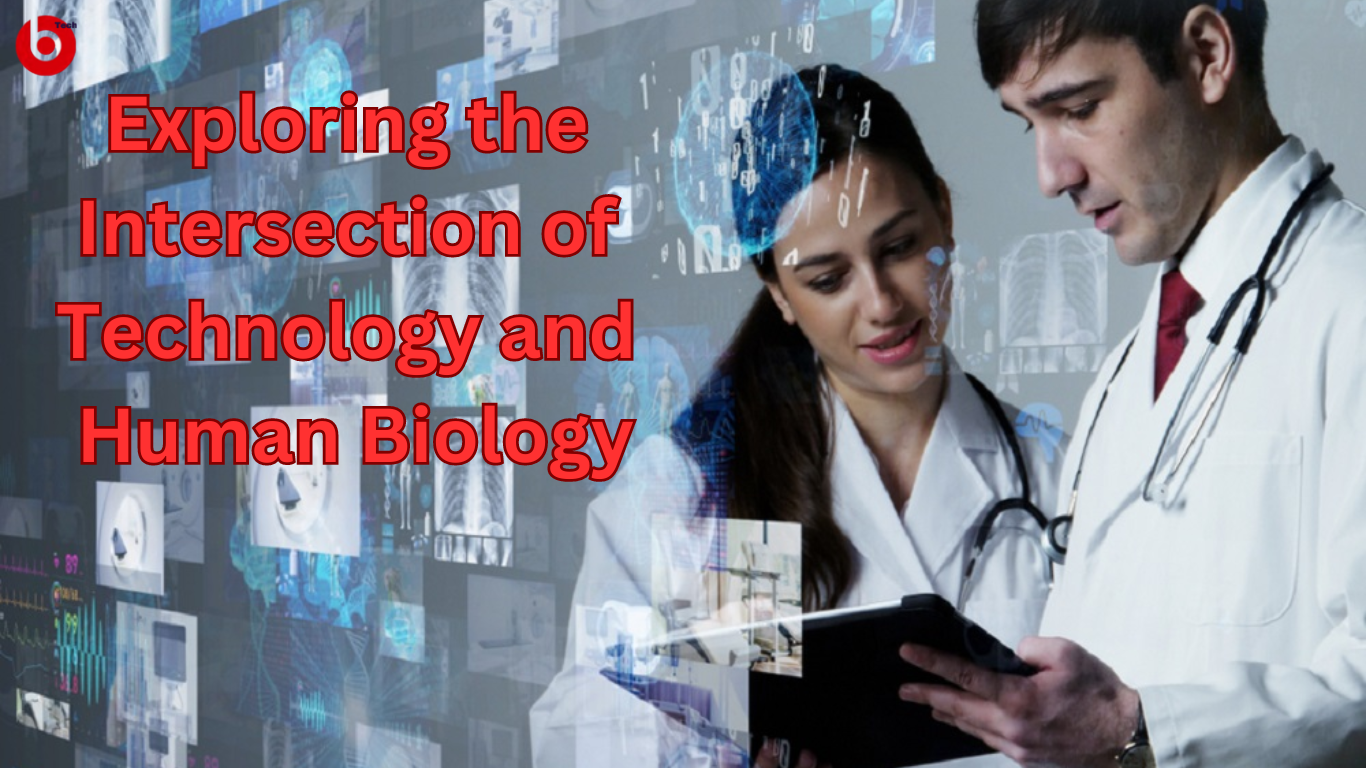
In recent years, the field of biohacking has emerged as a fascinating intersection of technology and human biology, with enthusiasts and researchers exploring innovative ways to enhance human performance, health, and longevity using cutting-edge technologies. In this blog post, we’ll delve into the world of biohacking, discussing its various aspects and implications:
- What is Biohacking?: Define biohacking and provide an overview of its origins, evolution, and key principles. Explain how biohackers use technology to optimize their bodies and minds for improved performance and well-being.
- DIY Biology and Citizen Science: Explore the DIY biology movement and how individuals are leveraging open-source tools, online resources, and community-driven platforms to conduct experiments, analyze data, and share knowledge in the field of biohacking.
- Biohacking Technologies: Discuss the diverse range of technologies used in biohacking, including wearable devices, genetic engineering tools, brain-computer interfaces, nutritional supplements, and personalized health tracking apps. Highlight notable examples and advancements in each category.
- Applications of Biohacking: Examine the various applications of biohacking across different domains, such as fitness and sports performance enhancement, cognitive enhancement and brain optimization, longevity and anti-aging interventions, bioinformatics and personalized medicine, and environmental sustainability.
- Ethical and Regulatory Considerations: Address the ethical dilemmas and regulatory challenges associated with biohacking, including concerns about safety, privacy, informed consent, equity, and access to emerging technologies. Discuss the need for responsible innovation and ethical guidelines in the field.
- Future Directions: Speculate on the future of biohacking and its potential to transform healthcare, education, industry, and society at large. Explore emerging trends, promising research areas, and potential breakthroughs on the horizon.
Views: 777